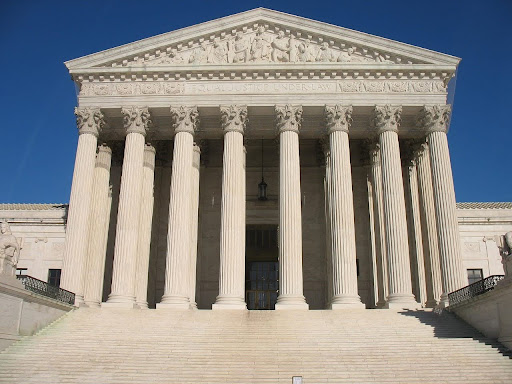
The Supreme Court instructed lower federal courts to reconsider the breadth of their injunctions against Trump’s birthright citizenship order, marking a significant shift in how courts can respond to controversial executive actions. The 6-3 decision prioritized limiting judicial authority over constitutional protection.
Justice Amy Coney Barrett’s majority opinion emphasized that while the executive branch must follow the law, the judiciary lacks unlimited enforcement authority. This reasoning challenges the traditional role of federal courts as checks on potentially illegal government actions.
The case emerged from Trump’s first-day executive order directing federal agencies to deny citizenship recognition to children born in America unless they have at least one parent who is a citizen or permanent resident. Democratic attorneys general from 22 states, along with immigrant rights advocates, challenged this directive in multiple courts.
The ruling’s implications extend beyond immigration policy to affect how federal courts can protect constitutional rights more broadly. Justice Sotomayor’s dissent warned that restricting judicial authority could enable future constitutional violations by removing effective legal remedies for affected individuals and communities.
82