Google is betting on the sun—and space—to power the next generation of artificial intelligence. The company’s “Project Suncatcher” initiative is based on the idea that the “best place to scale AI computers” may be in orbit, where solar energy is abundant and unrestricted by weather or atmosphere.
The plan involves constellations of satellites equipped with AI processors (TPUs). The key advantage is that solar panels in space are up to eight times more productive than on Earth. This provides a continuous, powerful, and clean energy source, solving one of the biggest problems facing the AI industry: its massive and growing carbon footprint.
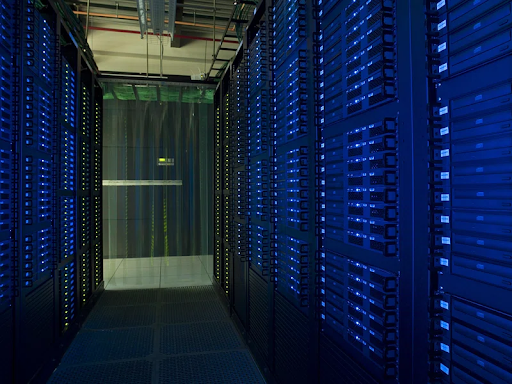
Tech companies are projected to spend $3 trillion on terrestrial datacenters, fueling concerns about the impact on carbon emissions if clean energy isn’t found. An executive from Starcloud, a startup also working on this, stated that space datacenters could offer a “10 times carbon dioxide savings” over their lifespan compared to powering them on Earth.
This move to space also addresses the significant land and water resources consumed by conventional datacenters for cooling. By placing these facilities in orbit, Google aims to “minimize impact on terrestrial resources,” a major environmental victory if successful.
Despite the promise, the path is challenging. Google’s first prototypes won’t launch until 2027, and the company cites “significant engineering challenges” like thermal management and reliability. Furthermore, the environmental cost of the initial rocket launches, which emit hundreds of tonnes of CO2, must be factored into the equation.
25