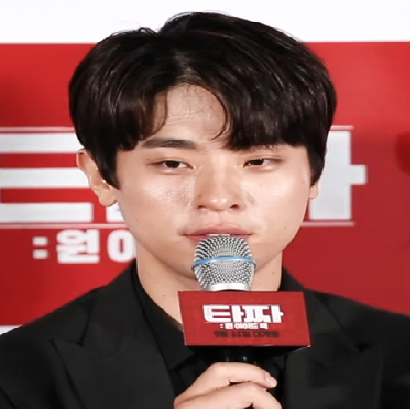
Park Jeong-min has become one of Korea’s most unexpected viral celebrities — not for polished red-carpet glamour, but for his down-to-earth personality that resonates deeply with younger audiences. Despite missing out on awards at the recent Blue Dragon Film Awards, he stole the show when he jumped onstage to join singer Hwasa, playfully recreating scenes from her music video and charming viewers with his trademark humor. Fans quickly crowned him “No-Trophy Park,” transforming the moment into a celebration rather than a loss.
His appeal comes from a rare blend of acclaimed acting talent and an unfiltered, approachable public persona. Park’s path to stardom was far from straightforward. After dropping out of Korea University, he shifted to filmmaking and eventually acting, enduring nearly a decade of small roles and self-doubt. His breakthrough arrived with Dongju: The Portrait of a Poet in 2016, earning him major “best new actor” awards and establishing him as a striking new voice in Korean cinema.
Park has since built a reputation as a chameleon, moving effortlessly across genres. He’s portrayed a pianist with autism, a transgender woman in a gritty action film, a revolutionary, and leading roles in hit series like Hellbound and Newtopia. His performances are celebrated for their authenticity — especially his hilariously realistic “annoyed acting,” which has become a viral phenomenon online.
Beyond acting, Park is also a writer and publisher, running his own publishing house and championing projects that give voice to marginalized communities. Motivated by his father’s vision loss, he launched immersive audiobooks designed to support visually impaired readers, blending sound design and full cast performances.
Park Jeong-min’s rise is proof that sincerity, vulnerability, and creative versatility can resonate just as powerfully as stardom — making him one of Korea’s most relatable, admired, and refreshingly human celebrities.
29