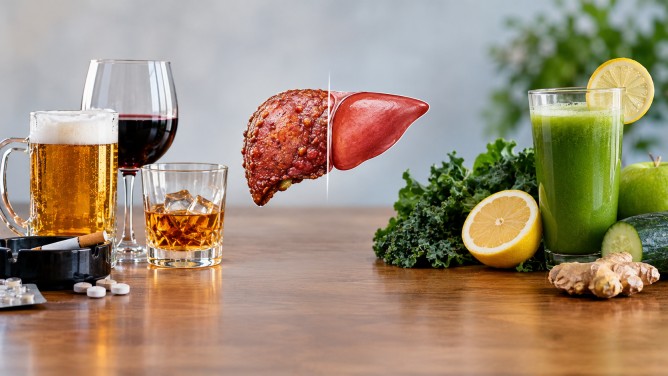
Despite the widespread belief that detox drinks can reverse alcohol-related liver damage, there is no scientific evidence supporting these claims. The liver, while remarkable in its ability to repair itself, requires more than quick fixes to recover from the effects of long-term alcohol consumption. The key to supporting liver health lies in adopting sustainable habits and seeking medical advice.
Alcohol gradually damages the liver by causing fat accumulation and inflammation, which can lead to permanent scarring known as cirrhosis. The liver metabolizes alcohol into substances that can harm liver cells, and continuous exposure can result in severe conditions like alcohol-related hepatitis. Early intervention is crucial, as symptoms such as persistent fatigue, nausea, and jaundice often do not appear until the liver damage has progressed significantly.
While the liver has a natural detoxification process, many products marketed as detox drinks or diets claim to cleanse the liver with ingredients like lemon, herbs, and spices. However, these claims lack reliable evidence. Instead, avoiding alcohol entirely, eating a balanced diet, and managing other health conditions are practical steps to support liver recovery.
For those with alcohol dependence, stopping drinking abruptly can be dangerous, and medical guidance is recommended. A healthy diet rich in vegetables, fruits, whole grains, and proteins, along with managing conditions like diabetes and high blood pressure, can help mitigate further liver risks. Additionally, caution should be exercised with supplements, as some may exacerbate liver problems rather than alleviate them.
Regular medical check-ups are essential for evaluating liver health. Healthcare professionals can perform blood tests and other assessments to diagnose liver conditions early, which can guide treatment and prevent complications. While some liver damage can improve with proper care and alcohol cessation, advanced scarring may be irreversible.
Ultimately, liver recovery is a long-term commitment rather than a result of a single drink or cleanse. Focusing on avoiding further alcohol-related harm, maintaining a nutritious diet, and seeking medical care when necessary offers the best chance to protect liver health over time.