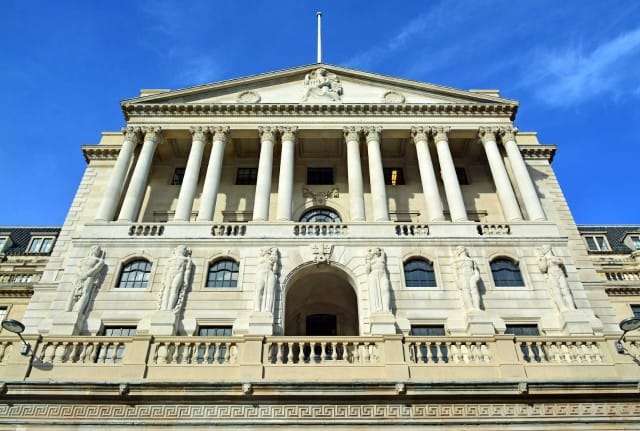
A double whammy of rising unemployment and the disruptive force of Donald Trump’s tariffs is compelling the Bank of England to cut interest rates this week. A quarter-point reduction to 4% is widely anticipated for Thursday’s MPC meeting, which would be the fifth such cut since last August and bring rates back to March 2023 levels. Financial markets are expressing high confidence in this move, with an over 80% chance predicted for the August meeting.
The expected rate cut will be a welcome development for Chancellor Rachel Reeves, who has been pushing for measures to alleviate financial pressures on households and businesses. Lower mortgage rates and reduced borrowing costs are projected to offer some immediate relief. However, the UK’s economic fragility remains a significant concern. The economy contracted in May and April, a downturn economists attribute to the uncertainty surrounding Trump’s trade policies and the impact of new business taxes.
The labor market is showing clear signs of strain, with job vacancies falling below pre-pandemic levels and the unemployment rate rising to 4.7% in the three months to May, marking its highest point since June 2021. This weakening employment picture adds urgency to the Bank’s decision.
Despite a trade deal with the UK, President Trump’s broader announcement of new tariffs up to 50% on other trading partners threatens to disrupt global trade and further impede the UK’s economic growth. The IMF’s subdued forecasts for the UK economy, with minimal expansion predicted for the latter half of the year, further highlight the precarious situation. The Bank of England’s new forecasts on Thursday are expected to confirm a challenging period ahead, potentially indicating a prolonged phase of stagflation with high inflation (3.6% CPI) and subdued growth.
57