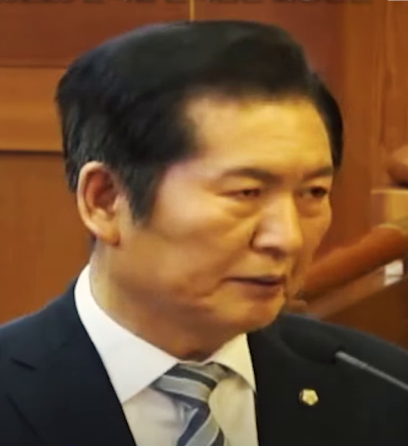
South Korea’s two largest political parties are locked in internal battles as both move to rewrite their primary rules ahead of next June’s local elections. The ruling Democratic Party and the main opposition People Power Party each seek to expand the influence of dues-paying party members, sparking fears that the changes will strengthen hard-line loyalists at the expense of broader public opinion.
Democratic Party leader Jung Chung-rae is pushing a “one-member, one-vote” system that would give rank-and-file members equal voting power to party delegates in leadership races and candidate primaries. Critics argue the reform disproportionately benefits Jung’s loyal base, which helped secure his election as party chair. Lawmakers from weaker party regions warn the system could further marginalize areas like Yeongnam and Gangwon, where membership numbers are low compared with Seoul and Honam.
The People Power Party is considering raising the weight of member votes from 50% to 70% in primary contests, reducing the role of public polling. The shift is seen by some as favoring senior figure Na Kyung-won, who previously lost a mayoral primary determined entirely by public opinion. Opponents within the party argue that sidelining public polling will make the organization appear insular and may widen the gap between voter sentiment and party decisions.
Lawmakers from both parties caution that catering too heavily to core supporters risks deepening political polarization and eroding trust in the electoral process. They argue that political parties must remain open and responsive to the broader electorate rather than consolidating power among the most loyal factions.
36