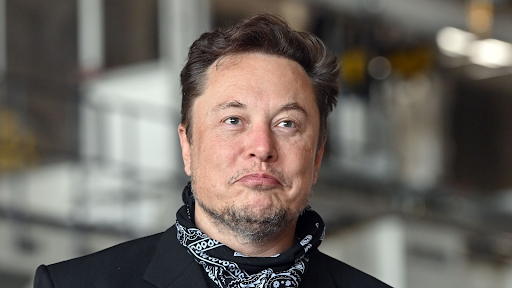
Elon Musk has opened a new front in the battle against Big Tech consolidation, with his xAI startup filing an antitrust lawsuit against Apple and OpenAI. The suit takes aim at the powerful alliances forming in the artificial intelligence sector, arguing they are creating insurmountable monopolies that stifle innovation and competition.
The lawsuit focuses squarely on the partnership that embeds OpenAI’s technology into Apple’s vast ecosystem. This, the complaint alleges, is not a simple business collaboration but an “unlawful conspiracy.” By leveraging Apple’s control over smartphones, the deal is accused of cementing OpenAI’s leadership in AI chatbots, to the detriment of all other players, including Musk’s own xAI.
This legal action can be seen as part of a broader, global pushback against the power of major tech platforms. Regulators worldwide are scrutinizing similar deals, and Musk’s lawsuit brings this debate to a head in the burgeoning AI industry. He is effectively challenging the right of platform giants like Apple to anoint winners in new technological fields.
While OpenAI dismisses the suit as a personal vendetta by Musk, the case raises legitimate antitrust questions that resonate beyond their personal feud. The outcome could establish new rules for competition in the AI era, potentially forcing dominant companies to offer a more level playing field for startups and innovative competitors.
76