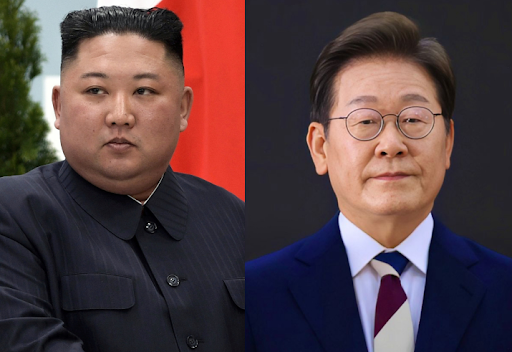
North Korea has raised the alarm over regional stability, claiming that a new submarine pact between South Korea and the United States will cause a “nuclear domino” effect throughout Asia. In a commentary released Tuesday, Pyongyang denounced the agreement as a “dangerous attempt at confrontation.” The warning suggests that the acquisition of nuclear-powered submarines by the South could lead to a cascading series of military escalations involving multiple nations.
The agreement, announced last week by South Korean President Lee Jae Myung, grants Seoul the authority to expand uranium enrichment and reprocess spent fuel. These are critical steps for developing the reactors needed for nuclear submarines. While the U.S. and South Korea frame this as a bilateral security enhancement, North Korea views it as a geopolitical game-changer that is “bound to cause a ‘nuclear domino phenomenon’ in the region and spark a hot arms race.”
This dire prediction was issued just one day after South Korea attempted to lower the temperature on the peninsula. For the first time in seven years, Seoul proposed military talks to prevent border clashes. President Lee has sought to engage the North without preconditions, moving away from the hardline stance of the previous administration. The offer was meant to be a pragmatic step toward managing risk.
However, the North’s response indicates that they believe the risk is being driven by the South’s military acquisitions, not border management issues. By focusing on regional instability, Pyongyang is trying to internationalize the issue, portraying South Korea as a disruptor of the peace. The commentary implies that the submarine deal makes dialogue futile, as the strategic balance is already being tipped.
North Korea has yet to officially respond to the proposal for military talks. The silence, paired with the loud condemnation of the submarine deal, paints a bleak picture for near-term diplomacy. The “nuclear domino” rhetoric suggests that the North is bracing for a prolonged period of tension, driven by what they perceive as a destabilizing arms buildup by their southern neighbor.
38