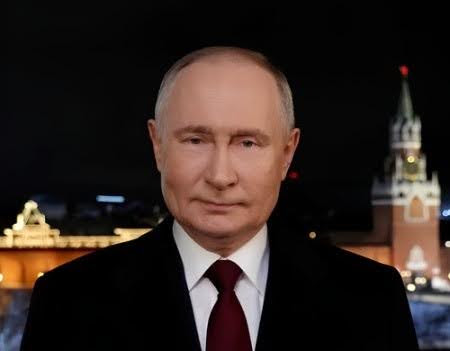
During the St. Petersburg International Economic Forum, Russian President Vladimir Putin dismissed a proposal from Ukrainian President Volodymyr Zelenskyy for a direct meeting aimed at advancing peace talks. Zelenskyy had suggested a neutral venue such as Switzerland or Turkey for the talks, with a proposal to begin diplomatic negotiations from the current frontlines and to implement a full ceasefire during these discussions. However, Putin stated that he sees “no point” in engaging in direct talks at this moment.
Putin reiterated Russia’s objectives in Ukraine, noting that Russian forces have control over all of the Luhansk region and most of the Donetsk region. He also emphasized Moscow’s demand for Ukraine to relinquish control over the Kherson and Zaporizhzhia regions. This stance underscores Russia’s firm position on territorial claims in the ongoing conflict.
In reaction to Putin’s rejection, Zelenskyy criticized the Kremlin for choosing to continue the conflict rather than opting for a diplomatic resolution. According to Zelenskyy, Russia’s decision to dismiss the proposal reveals a lack of interest in ending the hostilities. This development highlights the ongoing challenges in achieving a peaceful resolution to the conflict.
Amid these diplomatic tensions, Ukraine has ramped up its attacks on Russian military and energy infrastructure. This includes drone strikes targeting ports, cargo vessels, and fuel facilities. In response, Russia has acknowledged these recent attacks and announced plans to bolster its air defense systems, signaling an escalation in military responses.
Additionally, Putin addressed criticisms regarding the impact of the war and international sanctions on Russia’s economy. He defended the resilience of the Russian economy, arguing that despite economic pressures and financial restrictions imposed by Western nations, the country remains strong. This assertion comes as Russia continues to face global economic challenges in the wake of its actions in Ukraine.