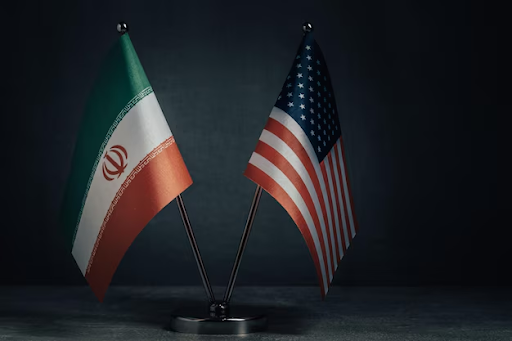
A second round of nuclear talks between Iran and the United States concluded in Geneva Tuesday with both sides declaring agreement on foundational principles, a development that could pave the way for a more substantive third round in the coming weeks. The discussions, mediated by Oman, lasted three and a half hours and ended without a joint statement.
Iran’s foreign minister framed the outcome positively, noting that the session had been more constructive than the first and that progress had been made toward a shared understanding of where negotiations might lead. He said the next step would be for each side to submit written proposals, after which a new meeting date would be set.
The talks centered on how Iran might limit its nuclear activities in exchange for relief from international sanctions and a relaxation of diplomatic pressure. At issue are Iran’s stockpile of 60% enriched uranium, the level of access granted to IAEA inspectors, and the duration of any enrichment pause — all deeply technical questions with profound geopolitical stakes.
The US side, which met separately with IAEA Director General Rafael Grossi — as did Iran’s foreign minister the day before — has made it clear that a full return of IAEA inspectors to Iran’s nuclear sites is a non-negotiable element of any agreement. Previous talks in Cairo on the inspection protocols broke down, making the question of verification one of the most urgent issues on the table.
Outside the negotiating rooms, the situation remained volatile. US warships in the Gulf, Iranian naval exercises in the Strait of Hormuz, and belligerent statements from both Tehran and Washington served as reminders that the diplomatic process is taking place on the edge of potential conflict. Both sides appear, for now, to prefer talks to confrontation.
45