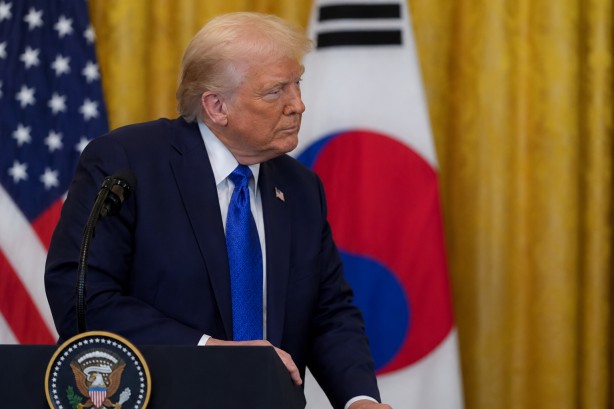
US President Donald Trump has opened discussions regarding the potential involvement of South Korean shipbuilders in the modernization and expansion of the US Navy’s fleet. At the Pennsylvania Defense and Innovation Summit, Trump emphasized the need to update the aging naval fleet and mentioned that the US is considering increased collaboration with shipbuilding companies from South Korea and other nations. This move could potentially lead to the purchase of ships constructed overseas.
Highlighting a specific project, Trump announced plans to construct two National Security Multi-Mission Vessels at the Hanwha Philly Shipyard in Philadelphia, with the initiative valued at around $1.5 billion. These developments underscore the expanding defense cooperation between the United States and South Korea. In line with this, South Korean President Lee Jae Myung disclosed that Trump had inquired whether South Korea could swiftly build 10 naval vessels for the US, a topic that was further explored during recent international meetings.
The US Department of Defense and the Navy have reached out to leading South Korean shipbuilders, such as HD Hyundai Heavy Industries and Hanwha Ocean, to evaluate their capabilities in designing and constructing combat ships. Hanwha appears to be in a favorable position to benefit from this collaborative effort, having acquired Philadelphia-based shipyard facilities in 2024 and seeking licenses to produce military ships in the US. Additionally, HD Hyundai and Samsung Heavy Industries have been expanding their partnerships with American firms to penetrate the US naval shipbuilding sector.
While these cooperative efforts are growing, significant legal hurdles remain. Existing US regulations currently limit the construction of Navy vessels to domestic shipyards, which means that any production taking place outside the United States would require legislative approval or special exemptions. The ongoing discussions and initiatives suggest a potential shift in policy, contingent on overcoming these legal challenges.