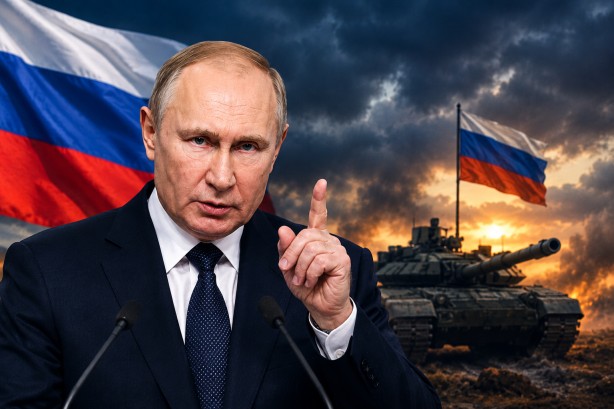
Amid escalating tensions, Russia has issued a stark warning to the United Kingdom, suggesting the possibility of retaliation in response to the UK’s ongoing military support for Ukraine. This includes potential strikes on military targets both inside and outside Ukraine. The warning comes on the heels of reports indicating the UK’s intention to grant Ukraine access to sensitive technology, which would enable the domestic production of Storm Shadow long-range cruise missiles. Russia has criticized both Britain and France for what it perceives as risky support for Kyiv, stating that they are “playing with fire.”
The situation has further intensified with recent accounts of CIA Director John Ratcliffe’s visit to Moscow. There, he reportedly cautioned Russian officials against any potential aggression towards NATO territory. U.S. intelligence sources have expressed concern over Russia potentially testing NATO’s resolve through limited military actions, cyberattacks, or other hybrid warfare tactics. In response to these developments, the Kremlin has dismissed allegations that it intends to target a NATO member, labeling such claims as inaccurate.
Across Europe, anxiety regarding Russia’s intentions is mounting, especially following an uptick in suspected cyberattacks and drone activities that have been attributed to Russian actors. These incidents have fueled apprehensions about comprehensive hybrid warfare strategies. As a result, NATO countries neighboring Russia continue to bolster their military preparedness to counter any potential threats.
These unfolding events underscore the growing friction between Russia and Western nations as the conflict in Ukraine persists. The complex geopolitical dynamics are further complicated by the potential for direct confrontations, either through military engagements or other forms of aggression that could test international alliances and security commitments.